Canada
 USA
USA Japan
Japan




Arranging furniture in a narrow, long room presents a common spatial challenge in many Bangladeshi homes. These rooms, often found in apartments or older houses, can feel like hallways if not planned thoughtfully. The goal is to transform a restrictive layout into a functional, comfortable, and visually appealing space that doesn’t feel cramped or disproportionate. This guide provides practical strategies tailored for Bangladeshi buyers, focusing on maximizing utility and aesthetics in such challenging dimensions.
| Room Type | Common Challenge | Key Strategy for Narrow Long Rooms |
|---|---|---|
| Living Room | Feeling like a corridor, lack of distinct areas | Create multiple functional zones (e.g., seating, reading, entertainment) using rugs and furniture grouping. |
| Bedroom | Limited space for movement, difficulty placing a bed | Place the bed against the longest wall to maximize floor space; opt for compact furniture. |
| Dining Area | Cramped seating, difficulty fitting a table | Utilize rectangular tables and bench seating along one wall to optimize circulation. |
| Home Office/Study | Insufficient desk space, cluttered appearance | Install wall-mounted desks or slim console tables; use vertical storage solutions. |
Understanding the Unique Challenges of Narrow Long Rooms
The primary issue with a narrow long room is its inherent lack of width. This often leads to furniture being pushed against walls, creating an empty “runway” down the middle or making the room feel like a corridor. The key is to break up this linearity and create visual interest and functional zones. Common challenges include:
- Limited Wall Space: Fewer usable walls for larger furniture pieces like sofas or wardrobes without blocking pathways.
- Disproportionate Feel: The room can feel out of balance, with an emphasis on length rather than breadth.
- Poor Flow: Difficulty in creating natural pathways for movement without constantly navigating around furniture.
- Lighting Distribution: Natural light might only reach one end, leaving the other end dim.
The Golden Rules of Narrow Room Arrangement
To effectively furnish a narrow long room, consider these foundational principles:
- Break the Linearity: Avoid placing all furniture in a straight line along the longest walls. This only accentuates the room’s narrowness. Instead, try to create visual breaks and diversions.
- Create Functional Zones: Divide the long room into smaller, distinct areas, each with its own purpose. This helps to make the space feel more organized and less like a single, elongated area.
- Utilize Vertical Space: When floor space is limited, look upwards. Wall-mounted shelves, tall bookcases, and vertical storage units are invaluable.
- Maintain Clear Pathways: Ensure there’s always enough room to move comfortably through the space. A minimum of 30-36 inches (approximately 75-90 cm) for main pathways is generally recommended.
- Embrace Light and Reflection: Strategic use of lighting and mirrors can dramatically alter the perception of space.
Zoning Your Space: Dividing the Long Room
Zoning is perhaps the most powerful technique for narrow long rooms. By defining distinct areas, you give purpose to different parts of the room, making it feel more expansive and functional. Consider these methods:
- Rugs: An area rug is an excellent tool for defining a zone. For instance, in a long living room, a rug can delineate the main seating area from a reading nook or a small workspace. Ensure the rug is appropriately sized for the zone it defines, not too small that furniture floats off it, nor too large that it touches every wall. In a typical 10×18 ft narrow living room, a 6×9 ft rug can anchor a seating area effectively.
- Furniture Grouping: Arrange furniture in clusters rather than along walls. A sofa facing two armchairs with a coffee table in between creates a conversational zone, visually breaking the room’s length.
- Low Dividers: Open-backed bookshelves, console tables, or even a strategically placed plant stand can act as subtle room dividers without blocking light or making the space feel smaller.
- Lighting: Different lighting fixtures for different zones can also help define them. A pendant light over a dining area, a floor lamp for a reading corner, and general ambient lighting for the main living space.
Furniture Selection: Choosing the Right Pieces
The type and size of furniture you choose are critical in a narrow long room. Prioritize pieces that are proportionate, versatile, and space-saving.
- Slim Profiles: Opt for furniture with slender legs and minimal bulk. Sofas with exposed legs and thin arms appear lighter than those with heavy, skirted bases.
- Multi-functional Furniture: Consider pieces that serve more than one purpose. An ottoman with storage, a sofa bed, or a console table that doubles as a desk can be highly beneficial.
- Scale Appropriately: Resist the urge to fill the room with oversized furniture. A large, bulky sofa might overwhelm a narrow living room. Instead, choose a two-seater sofa or a loveseat paired with compact armchairs.
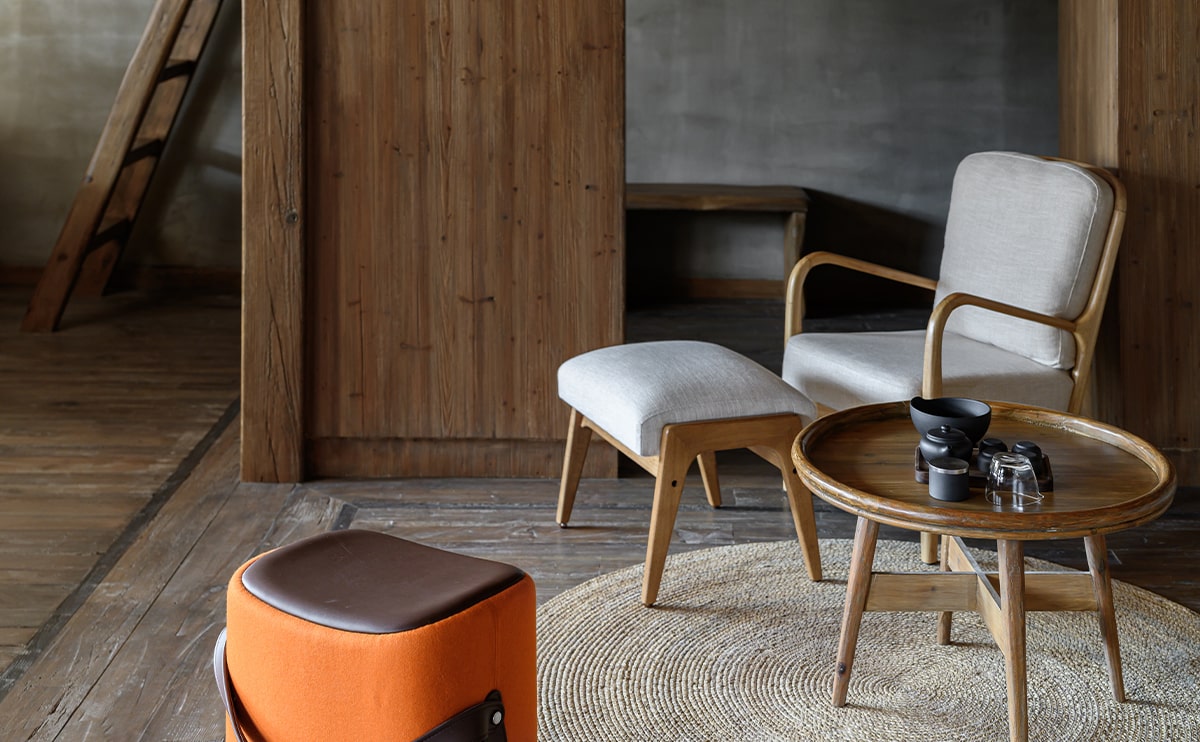
- Leggy Furniture: Furniture with visible legs allows light to pass underneath, creating a sense of openness and making the room feel less cluttered.
- Wall-Mounted Solutions: Floating shelves, wall-mounted TV units, and even wall-mounted desks free up valuable floor space.
For a wide selection of furniture suitable for various room sizes, including compact options, you can explore EchoShop BD’s furniture and home decor collection.
Specific Room Applications
Narrow Living Rooms
In a narrow living room, the goal is to create inviting seating arrangements without impeding movement.

- Main Seating: Place the longest sofa against one of the longer walls. Instead of a second sofa, use two armchairs or compact accent chairs opposite, or a chaise lounge at one end of the sofa.
- Coffee Table: Choose a slim, rectangular, or oval coffee table. Nesting tables are also an excellent option as they can be expanded when needed and tucked away.
- TV Placement: Mount the television on the wall to save space, ideally on one of the longer walls.
- Creating Zones: If the room is very long, consider creating a main seating area at one end and a smaller, secondary zone at the other – perhaps a reading nook with a comfortable armchair and a floor lamp, or a small home office setup.
Narrow Bedrooms
Bedrooms require careful planning to ensure comfort and functionality.

- Bed Placement: The most effective strategy is often to place the bed against the longest wall. For example, in a 10×12 ft (120×144 inch) bedroom, if you place a Queen Bed (60×78 inches) against the 144-inch wall, it leaves 120-60 = 60 inches of clearance along the width for movement and furniture, and 144-78 = 66 inches at the foot of the bed. This allows for better circulation around the bed. Avoid placing the bed on a short wall if it means blocking the main pathway.
- Nightstands: Opt for small, narrow nightstands or floating shelves. Wall-mounted lights or pendant lights can free up surface space on the nightstands.
- Wardrobes: Choose wardrobes with sliding doors instead of hinged ones to avoid needing extra space for door swing. Consider built-in wardrobes if budget and structure allow.
- Dressing Table: A slim console table can serve as a dressing table. Alternatively, a wall-mounted mirror with a small shelf underneath can suffice.
For modern and space-saving bed designs, explore EchoShop BD’s collection of modern beds and bedroom furniture.
Narrow Dining Areas or Workspaces
These areas demand efficient use of space.
- Dining Table: A rectangular dining table is generally better than a square or round one in a narrow space, as it can be pushed closer to a wall. Consider a drop-leaf table for added flexibility.
- Seating: Instead of chairs on all sides, use a bench along one of the longer walls. This saves significant space and can often seat more people.
- Work Desks: A wall-mounted desk or a slim console table placed against a wall works well. Use vertical storage above the desk to keep the work surface clear.
Lighting and Mirrors: Enhancing Perception
These elements are crucial for making a narrow room feel larger and brighter.
- Layered Lighting: Combine ambient lighting (ceiling lights), task lighting (table lamps, floor lamps for reading), and accent lighting (spotlights on artwork). This creates depth and visual interest.
- Strategic Mirror Placement: A large mirror placed on a longer wall can reflect light and the opposite wall, creating the illusion of greater width and depth. Avoid placing a mirror directly opposite the main entrance if it creates a jarring reflection.
- Natural Light: Keep windows unobstructed. Use light, sheer curtains or blinds that can be pulled back fully during the day.
Color Palettes and Textures: Visual Tricks
The right colors and textures can significantly impact how a room feels.
- Light Colors: Light and neutral colors on walls (off-white, light grey, soft pastels) reflect light, making the room feel more open and airy.
- Accent Wall: Consider painting one of the shorter walls a slightly darker or bolder color. This can visually “shorten” the room, making it feel less elongated.
- Consistent Flooring: Using the same flooring material throughout the room (and even into adjacent spaces) creates a seamless look, reducing visual breaks that can make a room feel chopped up.
- Textures: Incorporate various textures through fabrics (cushions, throws), rugs, and furniture materials. This adds depth and warmth without cluttering the space.
Storage Solutions: Maximizing Utility
In narrow rooms, smart storage is not a luxury but a necessity.
- Vertical Storage: Tall, narrow bookshelves, wall-mounted cabinets, and shelving units draw the eye upwards, making the ceiling appear higher.
- Built-in Storage: If possible, built-in shelves or cabinets can seamlessly integrate with the room’s architecture, providing ample storage without protruding into the living space.
- Under-Furniture Storage: Beds with built-in drawers or storage ottomans are excellent for stashing away items.
- Floating Shelves: These are perfect for displaying decor or holding books without taking up floor space.
For practical home decor accessories and storage solutions, visit EchoShop BD’s home decor collection.
Decor and Accessories: The Finishing Touches
Even in a narrow room, decor can make a significant difference.
- Artwork: Hang artwork strategically. A gallery wall on a longer wall can break its linearity. Consider larger pieces on shorter walls to draw the eye.
- Indoor Plants: Bringing a touch of greenery to interiors adds life and freshness. Choose tall, slender plants or hanging plants to save floor space.
- Curtains: Hang curtains high and wide. Install the curtain rod several inches above the window frame and extend it beyond the window’s width. This makes the window appear larger and the ceiling higher.
- Avoid Clutter: In a narrow space, clutter is amplified. Keep surfaces clear and choose a few meaningful decorative items rather than many small ones.
Workshop Insights: Wood Care and Longevity for Bangladeshi Homes
When investing in furniture for your narrow long room, understanding wood types and proper care is essential, especially in Bangladesh’s climate. The choice of wood significantly impacts durability and appearance.
- Teak (Segun): Known for its exceptional strength and resistance to pests like uipoka (termites) and moisture. Teak furniture, particularly Burma Teak (Barma Segun), is a premium choice. A Queen Bed (60×78 inches) made from quality Teak can range from BDT 75,000 to 150,000, depending on design and craftsmanship. While a higher initial investment, Teak offers longevity and requires minimal maintenance beyond regular dusting and occasional polishing.
- Mahogany (Mehogoni): A popular and more affordable option, Mahogany offers good durability and a rich appearance. A Queen Bed (60×78 inches) in Mahogany typically costs between BDT 35,000 and 65,000. It is susceptible to uipoka if not properly treated and maintained. Ensure your Mahogany furniture is treated with anti-termite solutions during manufacturing.
- Other Woods: Koroi, Garjan, and Akashmoni are also used. While more budget-friendly, they generally require more diligent care and may not offer the same level of natural resistance to pests and moisture as Teak.
Care Tips for Longevity:
- Regular Cleaning: Dust furniture regularly with a soft, dry cloth. For deeper cleaning, use a slightly damp cloth followed immediately by a dry one.
- Avoid Direct Sunlight and Moisture: Prolonged exposure to direct sunlight can fade wood finishes, while excessive moisture can cause warping or swelling. Position furniture away from direct windows or use curtains. Wipe spills immediately.
- Pest Control: In Bangladesh, uipoka (termites) are a significant concern. Ensure your furniture is pre-treated. Regularly inspect furniture for any signs of infestation, such as small holes or sawdust-like droppings. If detected, seek professional pest control immediately.
- Polishing: Use a good quality wood polish or wax periodically (every 6-12 months) to maintain the wood’s luster and provide a protective layer. Always test on an inconspicuous area first.
Understanding these aspects helps you make informed decisions about your furniture purchases and ensures they remain beautiful and functional for years. For more detailed advice on furniture care, refer to our furniture buying and care guides.
Frequently Asked Questions (FAQ)
Q1: How do I make a narrow living room feel wider?
To make a narrow living room feel wider, focus on visual tricks and strategic furniture placement. Use light, neutral colors on the walls to reflect light and create an open feel. Place a large mirror on one of the longer walls to reflect the room and create an illusion of depth. Arrange furniture to create distinct zones rather than lining everything against the walls; for example, a sofa on one long wall facing two compact armchairs. Opt for furniture with slim profiles and visible legs to allow light to pass underneath. Avoid heavy, bulky pieces that can visually shrink the space. Incorporate layered lighting to add depth, and consider a horizontally striped rug or wallpaper on a shorter wall to visually expand the width.
Q2: What type of bed is best for a narrow bedroom?
For a narrow bedroom, the best type of bed is one that maximizes floor space and allows for comfortable movement. A Queen Bed (60×78 inches) is often a practical choice, as a King Bed (72×78 inches) can overwhelm smaller rooms. Place the bed against the longest wall to create more circulation space around it. Consider platform beds or beds with built-in storage drawers underneath to eliminate the need for additional dressers. If space is extremely tight, a wall-mounted Murphy bed or a daybed that can double as seating during the day can be an innovative solution. Always measure your room carefully to ensure adequate clearance around the chosen bed size.
Q3: Can I use a large rug in a narrow long room?
Yes, you can use a large rug in a narrow long room, but its placement and size are crucial. A well-chosen rug can effectively define a zone and anchor a furniture grouping, making the room feel more cohesive and less like a corridor. However, avoid rugs that are too small, as they can make the furniture appear to float and emphasize the room’s narrowness. Conversely, an oversized rug that touches all walls or extends under every piece of furniture can make the room feel cramped. For a living room, aim for a rug that allows at least the front legs of all main seating pieces to rest on it. In a 10×18 ft living room, a 6×9 ft or 8×10 ft rug can work well, depending on the furniture arrangement. For a bedroom, a 5×8 ft or 6×9 ft rug is suitable for a Queen bed, ensuring it extends beyond the sides and foot of the bed without touching wardrobes or nightstands.
Q4: How do I incorporate storage without making the narrow room feel cluttered?
Incorporating storage in a narrow room without creating clutter requires smart, space-saving solutions. The primary strategy is to utilize vertical space. Install tall, narrow bookshelves, wall-mounted floating shelves, or cabinets that draw the eye upwards and free up floor area. Opt for furniture that offers hidden storage, such as ottomans with lift-up tops, beds with built-in drawers, or console tables with drawers. Built-in storage units, if feasible, can provide seamless storage that blends with the room’s architecture. Use closed storage whenever possible to hide items and maintain a clean, uncluttered appearance. Finally, declutter regularly; a narrow room benefits immensely from having fewer items on display.
Conclusion
Arranging furniture in a narrow long room in Bangladesh requires a strategic approach that prioritizes functionality, visual balance, and efficient use of space. By understanding the principles of zoning, selecting appropriate furniture with slim profiles, utilizing vertical storage, and employing visual tricks with lighting, mirrors, and colors, you can transform a challenging layout into a comfortable and inviting home. Remember to maintain clear pathways and choose durable, well-cared-for furniture that suits your lifestyle and the local climate.
Ready to Redesign Your Space?
Transform your narrow long room into a functional and beautiful space. Explore EchoShop BD’s extensive collection of furniture and home decor designed to meet diverse needs and styles. Visit us today to find the perfect pieces that combine aesthetics with practicality for your home.