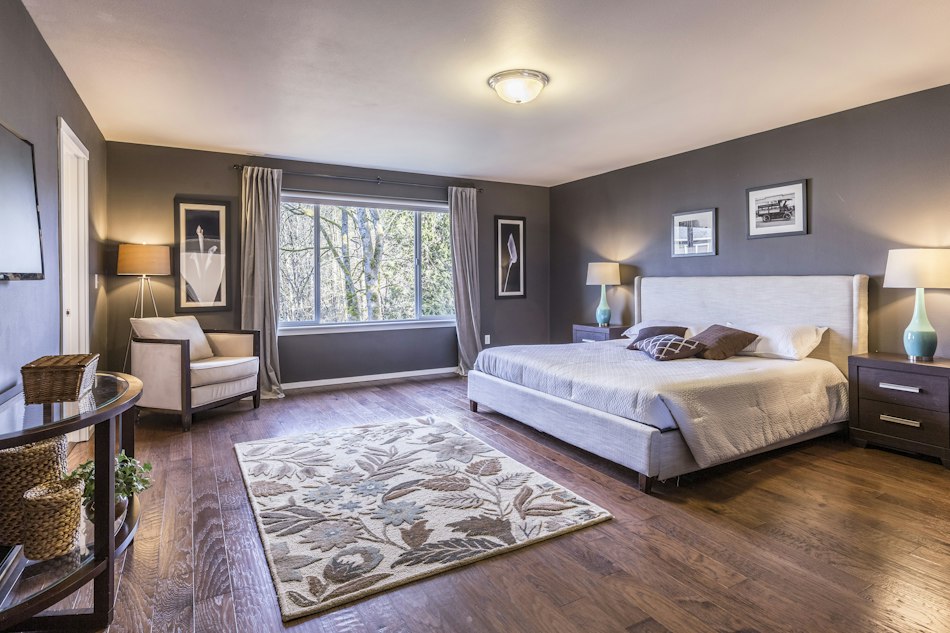
When you are trying to arrange two twin beds kids will share in a single room, the first thing I tell folks is to grab a tape measure. Forget the fancy sketches for a moment. A standard twin bed is about 38 inches (96.5 cm) wide by 75 inches (190.5 cm) long. That’s a good chunk of real estate, and when you double it, plus add a nightstand, you need a plan. My 18 years in the workshop, building these pieces and then helping families figure out where to put them, tells me that every inch counts. We’re not just putting beds in a room; we are crafting a functional, comfortable space for growing children.
📋 Table of Contents
- Always measure your room and furniture accurately before deciding on a layout.
- Consider the long-term use and flexibility of your chosen bed arrangement for growing kids.
- Prioritize durable, kiln-dried solid wood furniture to withstand years of active use and varied climates.
Let’s break down the common options for how to arrange two twin beds kids will use, comparing their practical aspects, dimensions, and what you might expect to spend in 2026. Remember, these prices are estimates for quality solid wood pieces, not flat-pack particle board.
| Arrangement Type | Typical Footprint (approx.) | Pros | Cons | Estimated Lifespan (Solid Wood) | 2026 Price Range (USD) | 2026 Price Range (BDT) |
|---|---|---|---|---|---|---|
| Side-by-Side | 76″ W x 75″ L (193 cm x 190.5 cm) plus nightstand | Easy to make beds, shared nightstand access, sense of togetherness. | Requires a wider wall, less individual space, limited floor play area. | 15-25+ years | $900 to $1,800 USD | ৳ 110,000 to 220,000 |
| L-Shape | 75″ L x 75″ W (190.5 cm x 190.5 cm) plus nightstand | Creates distinct zones, good for corner rooms, more central play space. | Can feel cramped in smaller rooms, one bed might block a window. | 15-25+ years | $950 to $1,900 USD | ৳ 115,000 to 230,000 |
| Head-to-Head | 75″ L x 75″ W (190.5 cm x 190.5 cm) plus nightstand | Maximizes floor space, good for narrow rooms, allows for individual wall decor. | Nightstand placement can be tricky, less privacy for sleepers. | 15-25+ years | $850 to $1,700 USD | ৳ 105,000 to 210,000 |
| Bunk Beds | 38″ W x 75″ L (96.5 cm x 190.5 cm) plus nightstand | Saves maximum floor space, fun for kids, good for small rooms. | Requires sturdy construction, potential for falls, top bunk can be hot. | 15-25+ years | $1,000 to $2,500 USD | ৳ 120,000 to 300,000 |
Arranging Two Twin Beds Kids Will Love: Layout Strategies
Let’s dig into the practicalities of each setup. Remember, the goal is to create a space that works for your kids now and as they grow.
The Side-by-Side Setup
This is the most straightforward arrangement. You place both twin beds parallel to each other, with the shared nightstand in the middle. Imagine two beds, each 38 inches (96.5 cm) wide, so you need a wall that’s at least 38 + 38 + (nightstand width) + (clearance between beds) inches long. If your nightstand is 20 inches (51 cm) wide, and you want 6 inches (15 cm) of breathing room on either side of it, you’re looking at a minimum wall length of 38 + 6 + 20 + 6 + 38 = 108 inches (274 cm). That’s 9 feet. Don’t forget to add another 30 inches (76 cm) for walking clearance in front of the beds. This layout works best in wider rooms.
It fosters a sense of closeness, which is great for younger siblings. Making the beds is also quite easy since you can access both sides of each bed, assuming you have enough room to walk around. For the nightstand, make sure it is roughly the same height as the bed mattress. This prevents kids from having to reach too far up or down for a drink or a book. A good nightstand will be built from solid wood, like a sturdy Oak with a Janka hardness of around 1290 lbf, or even a robust Acacia, which is common in Bangladesh and has a similar hardness. This ensures it can handle years of bumps and spills.
The L-Shape Arrangement
The L-shape uses two adjacent walls. One bed goes against one wall, and the second bed goes against the perpendicular wall. The nightstand usually sits in the corner where the two beds meet. This creates a cozy, somewhat private nook for each child. The total footprint is roughly the length of one bed plus the width of another, forming an ‘L’. So, 75 inches (190.5 cm) by 75 inches (190.5 cm) for the bed area itself. This layout is excellent for rooms with a corner that might otherwise be unused. It also frees up a good amount of central floor space for play or a desk.
However, one bed might end up blocking a window, which you want to avoid for light and air circulation. Also, getting into the corner to change sheets on the bed pushed into the corner can be a bit of a stretch. When building custom pieces for these setups, I always factor in the room’s specific dimensions. Sometimes, we’ll build a custom corner nightstand that integrates seamlessly, perhaps with a small bookshelf built in underneath. For solid wood furniture like this, we always use kiln-dried wood, typically with a moisture content between 8% to 12% in Western climates, and carefully monitored for slightly higher humidity in places like Bangladesh during monsoon season. This prevents warping and cracking, which is a common issue with poorly dried timber.

The Head-to-Head Configuration
In a head-to-head setup, the beds are placed with their headboards touching or very close together, along a single wall. This is a clever way to maximize floor space, especially in narrower rooms. Each bed still runs 75 inches (190.5 cm) long, so you need a wall at least 75 + 75 = 150 inches (381 cm) long. The nightstand can be placed at the foot of one or both beds, or a small, narrow one can be tucked between the headboards if there’s a slight gap. This arrangement gives each child their own distinct “zone” along the wall, which can be great for personalizing their space without interfering with their sibling’s.
The challenge here is often the nightstand. If it’s at the foot of the bed, it might be too far to reach comfortably from the pillow. If it’s between the headboards, it needs to be very slim. I’ve designed custom wall-mounted shelves in these situations to serve as minimalist nightstands. This keeps the floor clear and provides just enough surface for a glass of water and a small lamp. When sanding these shelves, we always start with a 120-grit paper to get the shape right, then move to a finer 220-grit for a silky-smooth finish before applying the stain or lacquer. You can find excellent examples of solid wood furniture that would work in these layouts in our solid wood furniture catalog.

Bunk Beds: The Space Saver
While the topic is twin beds, it’s worth a quick mention that bunk beds are essentially two twin beds stacked. They are the ultimate space-saver, needing only the footprint of a single twin bed. If your room is truly tiny, or you want maximum floor space, a well-built solid wood bunk bed is a fantastic option. Just ensure the ceiling height is adequate and the construction is rock-solid. Safety is paramount, so look for sturdy ladders and guardrails. We always recommend checking the joint integrity and overall stability. A good bunk bed should feel like a single, immovable unit.
Choosing the Right Shared Nightstand
The nightstand is a central point for both kids. Consider these points:
- Size: It needs to be wide enough for two lamps (if desired) and two books, but not so deep it eats into precious floor space. A width of 18-24 inches (46-61 cm) is usually good for a shared piece.
- Height: As mentioned, aim for the top surface to be level with the top of the mattress. This is ergonomic for reaching items.
- Storage: Drawers or shelves are a must for kids to keep their treasures, books, and maybe a small flashlight. This helps keep the space tidy.
- Material: Solid wood is always my recommendation for kids’ furniture. It stands up to abuse. Woods like Teak (Janka hardness around 1000 lbf), Mahogany (around 800 lbf), or even a good quality Mango wood (around 1100 lbf) are excellent choices. They are durable, repairable, and age beautifully. You can learn more about Teak vs Mahogany for Bedroom Furniture in Bangladesh: A Practical Guide on our site.

Room Considerations and Practical Tips
Beyond the beds and nightstand, think about the whole room:
- Room Size and Shape: This dictates everything. Measure walls, window placements, and door swings accurately. A door needs at least 36 inches (91 cm) of clear space to open fully without hitting furniture.
- Windows and Light: Try not to block windows. Natural light is important, and you need access for opening and closing them.
- Clearance: Aim for at least 24-30 inches (61-76 cm) of walking space around beds and in front of drawers. Kids need room to move, play, and get dressed without tripping.
- Wood Behavior in Different Climates: This is where my workshop experience truly comes in. In Western homes, especially with winter radiators, the air can get very dry. Properly kiln-dried wood (8-12% moisture content) is essential to prevent cracking. In South Asian homes, particularly during the monsoon, high humidity means wood needs to be stable and finished well to resist swelling. Teak, for example, is highly stable and naturally resistant to moisture, making it a favorite in Bangladesh. It’s why we at Echoshop focus on these durable, climate-appropriate woods.
- Storage Solutions: Kids accumulate stuff. Under-bed drawers, wall-mounted shelves, or a small dresser are vital. Clutter makes any room feel smaller and less inviting.
- Durability and Materials: Always opt for solid wood. Particle board or MDF might be cheaper upfront, but they don’t last. They chip, swell with moisture, and can’t be repaired like solid wood can. A solid wood bed frame can be sanded, refinished, and last for decades. The USDA Forest Products Lab has extensive research on wood properties and durability, which is a great resource if you want to dig deeper into wood science.
- Personalization: Even with a shared room, give each child a space for their own posters, photos, or small collections. This helps them feel ownership.
- Cleanliness: Teach kids good habits early. Even for things like dental hygiene, there are great products out there. Ever looked into nHAP EnamelShield Review: Does This Enamel-Repair Toothpaste Really Work? It’s a good example of how even small choices can make a difference in daily life.
Common Buyer Questions (FAQ)
Can I use different bed frames for each twin bed?
Absolutely. As long as they are both twin size and work with your chosen layout, mixing and matching can add character. Just ensure their heights are similar, especially if they are sharing a nightstand, for a cohesive look and practical use.
How much clearance do I really need between the beds?
For side-by-side or L-shape layouts, I recommend a minimum of 6 inches (15 cm) between the beds and the nightstand. For walking paths, aim for 24 to 30 inches (61 to 76 cm). Less than that and it feels cramped, making it hard to move around or even make the beds properly.
What type of wood is best for kids’ bedroom furniture?
For durability and longevity, I always suggest solid hardwoods like Oak, Maple, Teak, or Mahogany. These woods are dense, resist dents and scratches better than softwoods like Pine, and can be refinished multiple times. They are an investment that truly lasts.
Should I anchor the furniture to the wall?
Yes, absolutely. For any tall furniture like dressers, bookshelves, or even the headboards of beds if they are freestanding and not part of a sturdy frame, anchoring them to the wall is a safety must. Kids climb and pull on things, and preventing tip-overs is non-negotiable.
Arranging two twin beds and a shared nightstand in a kids’ bedroom is a hands-on project that starts with careful measurement and thoughtful planning. Whether you choose a side-by-side, L-shape, or head-to-head layout, focus on creating a functional, safe, and comfortable space that can adapt as your children grow. Invest in quality solid wood furniture that’s built to last, paying attention to details like proper wood drying and sturdy joinery. With a little foresight, you can build a room that serves your kids well for many years to come.