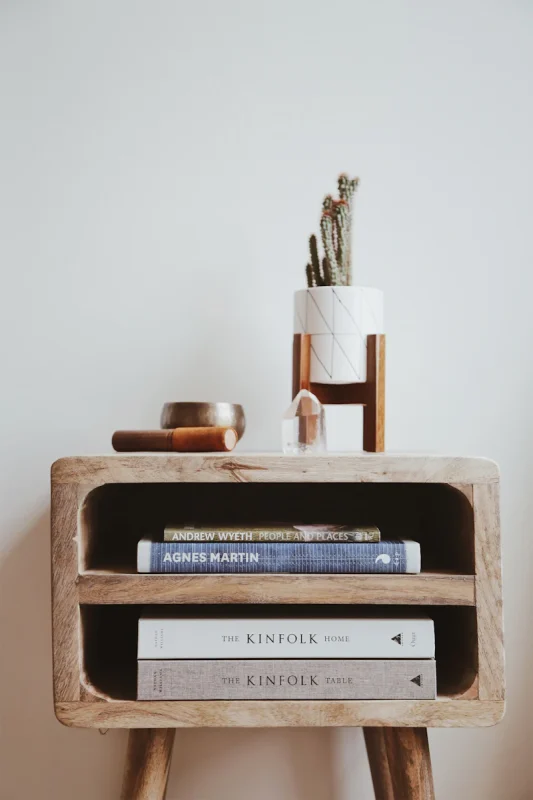
Wooden furniture is a staple in Bangladeshi homes, from sturdy Chittagong Teak wardrobes to elegant Mahogany sideboards. It adds warmth and character to any room, whether it’s a compact 10×12 ft apartment bedroom in Dhaka or a spacious 14×16 ft living area in Chattogram. However, over time, especially with our humid monsoon weather and the daily wear and tear, even the most well-built drawers can start to show their age. A common frustration for many homeowners and apartment buyers is dealing with a sagging drawer bottom or runners that no longer slide smoothly. These issues can make accessing your belongings a hassle and diminish the overall functionality of your furniture.
Fortunately, you don’t always need to call a professional carpenter or replace the entire piece. Many of these common drawer problems can be fixed with a few basic tools and a bit of patience. This guide will walk you through practical, step-by-step solutions to restore your wooden drawers to their former glory, ensuring they serve you well for many more years.
- Sagging drawer bottoms can often be reinforced with simple wooden battens or replaced entirely with durable Marine Plywood.
- Worn-out drawer runners can be lubricated with wax, built up with thin wood strips, or replaced for smoother operation.
- Regular maintenance and proper loading of drawers are crucial for preventing these common issues in Bangladeshi homes.
## Understanding Why Drawers Sag and Runners Wear Out
Before diving into repairs, it’s helpful to understand why these problems occur. This knowledge can also help you prevent them in the future.
Sagging Drawer Bottoms:
The bottom panel of a drawer is often made from a thinner material like plywood or particle board, which is less robust than the solid wood used for the drawer sides. Over time, several factors contribute to sagging:
Overloading: Placing too many heavy items in a drawer puts excessive strain on the bottom panel, causing it to bow downwards. This is especially common in kitchen drawers holding utensils or wardrobe drawers packed with heavy clothing.
Moisture and Humidity: Bangladesh’s high humidity, particularly during the monsoon season, can cause wood and wood-based panels to absorb moisture, swell, and then warp or sag as they dry out. This constant expansion and contraction weakens the material.
Material Quality: Cheaper or thinner plywood and particle board are more prone to sagging than thicker, higher-quality options like Marine Plywood.
Weak Fastenings: The original nails, staples, or glue holding the bottom in place can loosen over time, allowing the panel to drop.
Worn-Out Drawer Runners:
Drawer runners are the strips of wood (or sometimes metal) that allow the drawer to slide in and out of the furniture frame. When these wear out, drawers become stiff, sticky, or even get stuck.
Friction: Constant rubbing between the drawer runners and the corresponding glides on the furniture frame causes friction, which gradually wears down the wood.
Dust and Debris: In a dusty environment like many parts of Bangladesh, fine particles can accumulate on the runners, increasing friction and accelerating wear.
Lack of Lubrication: Wooden runners benefit from occasional lubrication (like wax or paraffin) to reduce friction. Without it, wear is faster.
Misalignment: If a drawer is repeatedly pulled out or pushed in at an angle, it can cause uneven wear on the runners.
Wood Swelling/Shrinking: As with drawer bottoms, changes in humidity can cause the wood of the runners to swell or shrink, affecting how smoothly they slide.

## Tools and Materials You’ll Need
Most of these items are readily available at local hardware stores across Bangladesh.
Basic Tools:
Screwdriver set: Phillips and flathead, for removing screws and prying.
Hammer: For tapping nails or gently prying.
Pliers: Useful for pulling out old nails or staples.
Measuring tape: For accurate measurements.
Pencil: For marking cuts.
Utility knife or small saw: For cutting wood strips or plywood.
Sandpaper (medium and fine grit): For smoothing rough edges.
Wood clamps (optional but helpful): For holding pieces together while glue dries.
Materials for Sagging Drawer Bottoms:
Thin wooden battens/strips: Small pieces of wood (around 1-inch wide, 1/4-inch thick) from strong local woods like Gamari or even a good quality Akashmoni.
Wood glue: A strong, water-resistant wood adhesive.
Small nails or screws: Flat-head screws (e.g., 3/4-inch or 1-inch) or small panel pins.
Marine Plywood (for replacement): If replacing the entire bottom, opt for 4mm or 6mm Marine Plywood. It’s much more resistant to moisture and warping than regular plywood, making it ideal for Bangladesh’s climate.
Wood filler (optional): To fill small gaps or screw holes.
Materials for Worn Drawer Runners:
Paraffin wax or old candle: For lubricating wooden runners.
Thin wood strips/veneers: For building up worn areas (e.g., 1/8-inch thick, made from a hardwood like Mahogany or even a dense Akashmoni).
Wood glue.
Small panel pins or screws.
New wooden runners (if replacing): You might find these pre-made or have a carpenter cut them to size from sturdy wood.
## How to Fix a Sagging Wooden Drawer Bottom
There are two main approaches: reinforcing the existing bottom or replacing it entirely.
### Method 1: Reinforcing a Sagging Drawer Bottom (For Minor Sagging)
This method is suitable for bottoms that are still intact but show a noticeable bow.
1. Empty and Remove the Drawer: Take everything out of the drawer. Gently pull the drawer out of the furniture frame. If it has stops, you might need to lift the front slightly or push a release tab.
2. Inspect the Damage: Turn the drawer upside down. Examine the bottom panel. Are the original fastenings (nails, staples) loose? Is the wood itself split or just bowed?
3. Clean the Area: Remove any dust or debris from around the edges of the bottom panel.
4. Apply Wood Glue: Carefully apply a generous bead of wood glue along the edges where the bottom panel meets the drawer sides, especially in the areas that have sagged. You might need to gently push the bottom up slightly to get the glue into the gap.
5. Add Reinforcing Battens:
Cut two or three thin wooden battens to fit snugly across the width of the drawer bottom, running perpendicular to the sag.
Apply wood glue to one side of each batten.
Position the battens evenly across the bottom, pressing them firmly against the sagging panel. If possible, use clamps to hold them in place while the glue dries.
Secure the battens further by driving small screws or panel pins through them and into the drawer bottom, making sure they don’t pierce through to the inside of the drawer.
6. Let it Dry: Allow the glue to dry completely, ideally for 24 hours, before putting any weight back into the drawer.
### Method 2: Replacing the Entire Drawer Bottom (For Severe Sagging or Damage)
If the drawer bottom is severely warped, cracked, or water-damaged, replacement is the best option.
1. Empty and Disassemble: Remove the drawer from the furniture. You’ll likely need to disassemble part of the drawer to remove the old bottom. Most drawers have bottoms that slide into grooves on the sides and front, then are nailed/screwed to the back.
Carefully remove the screws or nails holding the back panel of the drawer.
Gently pry the back panel away.
Slide out the old, damaged bottom panel.
2. Measure and Cut New Plywood:
Measure the exact dimensions of the old drawer bottom (length and width). If the old one is too warped, measure the inside grooves of the drawer frame instead.
Go to a local timber shop and have a piece of 4mm or 6mm Marine Plywood cut to these precise dimensions. Marine Plywood is excellent for our climate due to its water resistance.
3. Prepare the New Bottom: Lightly sand the edges of the new plywood panel to ensure it slides smoothly into the grooves.
4. Reassemble the Drawer:
Apply a thin bead of wood glue into the grooves on the drawer sides and front.
Slide the new Marine Plywood bottom into these grooves.
Reattach the back panel of the drawer, ensuring it’s flush and secure. Use new screws if the old ones were stripped.
For extra strength, you can add small screws or panel pins through the bottom of the drawer sides and into the new plywood, being careful not to go through the inside.
5. Allow to Cure: Let the glue cure fully before using the drawer.

## Repairing Worn-Out Drawer Runners
Worn runners are a common issue, especially with older, heavily used furniture.
1. Identify the Worn Areas: Pull the drawer out and identify which parts of the wooden runners (on the drawer itself and inside the furniture frame) are worn down. You’ll usually see shiny, flattened, or grooved areas.
2. Clean the Runners: Use a brush or cloth to thoroughly clean all dust and debris from both the drawer runners and the corresponding glides inside the furniture. Dust is a major culprit for sticky drawers in Bangladesh.
### Method 1: Lubricating Wooden Runners (For Minor Stickiness)
This is the simplest fix for drawers that are just a bit stiff.
Apply Wax: Take a piece of paraffin wax or an old candle and rub it generously along all surfaces of the wooden runners on the drawer and the glides inside the furniture frame. The wax acts as a lubricant, reducing friction.
Test: Slide the drawer in and out a few times to distribute the wax evenly. Reapply as needed.
### Method 2: Building Up Worn Runners with Wood Strips (For Moderate Wear)
If the runners have noticeable grooves or are significantly thinner in areas, you can build them up.
1. Measure and Cut Strips: Measure the length and width of the worn sections. Cut thin strips of wood (e.g., 1/8-inch thick) from a durable wood like Mahogany or even a dense Akashmoni to match these dimensions. You can often find thin wood veneers or strips at local wood shops.
2. Glue the Strips: Apply wood glue to the back of the wood strips.
3. Attach the Strips: Carefully position the strips over the worn areas of the runners, pressing them firmly into place. Use small panel pins or screws to secure them further, ensuring they are flush and don’t protrude.
4. Smooth and Wax: Once the glue is dry, lightly sand the new strips to ensure they are smooth and even with the existing runner. Then, apply paraffin wax for lubrication.
### Method 3: Replacing Wooden Runners (For Severe Damage)
If the runners are severely splintered, broken, or completely worn down, replacing them is the best course.
1. Remove Old Runners: Carefully pry off the old, damaged wooden runners from the drawer or the furniture frame. Be gentle to avoid damaging the surrounding wood.
2. Measure and Cut New Runners: Measure the exact dimensions of the old runners. You can either buy pre-cut wooden runners from a hardware store or have a carpenter cut new ones from a sturdy wood like Chittagong Teak or Mahogany.
3. Attach New Runners: Apply wood glue to the back of the new runners and position them precisely where the old ones were. Secure them with screws or nails, making sure they are firmly attached and perfectly straight.
4. Smooth and Wax: After the glue dries, lightly sand any rough edges and apply paraffin wax to the new runners for smooth operation.

## Preventive Maintenance for Your Drawers
Once you’ve fixed your drawers, a little preventive care can go a long way in ensuring they last. You can find more comprehensive advice in our guide: Practical Tips to Keep Your Wooden Furniture Looking New | Echoshopbd.
Don’t Overload: Be mindful of the weight you put into your drawers. Distribute heavy items evenly or store them in more robust furniture.
Regular Cleaning: Periodically clean the drawer runners and the inside of the furniture glides to remove dust and debris, especially during dry seasons when dust is prevalent.
Lubricate Regularly: Apply paraffin wax to wooden runners every few months, or whenever you notice the drawers starting to stick.
Handle Gently: Avoid yanking drawers open or forcing them shut. Pull and push them straight and gently.
Control Humidity: While difficult in Bangladesh, try to keep your rooms well-ventilated to minimize extreme humidity fluctuations, which can affect all wooden furniture.
## Comparing Drawer Bottom Repair Methods
Here’s a quick comparison to help you decide which repair method is best for your sagging drawer bottom:
| Repair Method for Drawer Bottoms | Best For | Materials Needed | Skill Level | Time Investment |
| :——————————- | :——- | :—————————————————— | :———- | :————— |
| Reinforcing with Battens | Minor sagging, light loads, intact bottom panel | Small wood strips, wood glue, small nails/screws | Beginner | Low (1-2 hours + drying) |
| Replacing the Bottom Panel | Severe sagging, cracks, water damage, heavy loads | Marine Plywood (4-6mm), wood glue, nails/screws | Intermediate | Moderate (2-4 hours + drying) |
For quality furniture that lasts, consider exploring the durable options available at EchoShop BD’s furniture collection, designed with the Bangladeshi climate in mind. If you’re also thinking about optimizing space, our Bedroom Bench Sizing & Storage Guide for Bangladesh Homes offers great insights for making the most of your room.
## Common Questions (FAQ)
### How can I prevent my drawer bottoms from sagging in the future?
The best way to prevent sagging is to avoid overloading your drawers. Distribute weight evenly, and use durable materials like Marine Plywood if you ever need to replace a bottom. Regular checks for loose fastenings can also help you catch issues early.
### Can I use metal drawer slides instead of wooden runners?
Yes, you can often upgrade to metal drawer slides, especially full-extension ball-bearing slides, for a smoother and more robust operation. This usually requires more precise measurements and installation, as you’ll need to remove the old wooden runners and attach the new metal slides to both the drawer and the furniture frame. It’s a more involved DIY project but offers excellent results.
### What type of wood is best for replacing worn wooden runners?
For replacing worn wooden runners, opt for hardwoods that are naturally durable and resistant to friction. Chittagong Teak, Mahogany, or even a dense Gamari wood are excellent choices available in Bangladesh. These woods will hold up better against repeated sliding than softer woods.
### How often should I perform maintenance on my wooden drawers?
A good practice is to inspect your drawers every six months or at least once a year. During this check, clean out dust, look for any signs of sagging or wear, and reapply wax to the runners if they feel stiff. Promptly addressing minor issues prevents them from becoming major repairs.
## Keeping Your Furniture Functional and Beautiful
Repairing a sagging drawer bottom or worn-out runners might seem like a daunting task, but with the right approach, it’s a rewarding DIY project. By understanding the causes and following these practical steps, you can significantly extend the life and functionality of your beloved wooden furniture. This not only saves you money but also helps maintain the beauty and utility of your home, whether it’s a bustling apartment in Mymensingh or a peaceful house in Khulna. A little effort now ensures your furniture continues to serve your family well for many years to come.